Boutique Hotel Websites: Visual Storytelling and Direct Sales
See how a boutique hotel website can outrank agency listings with transparent room pages, real square meters, and direct booking tools.
Published by: Hızlı Yazılım
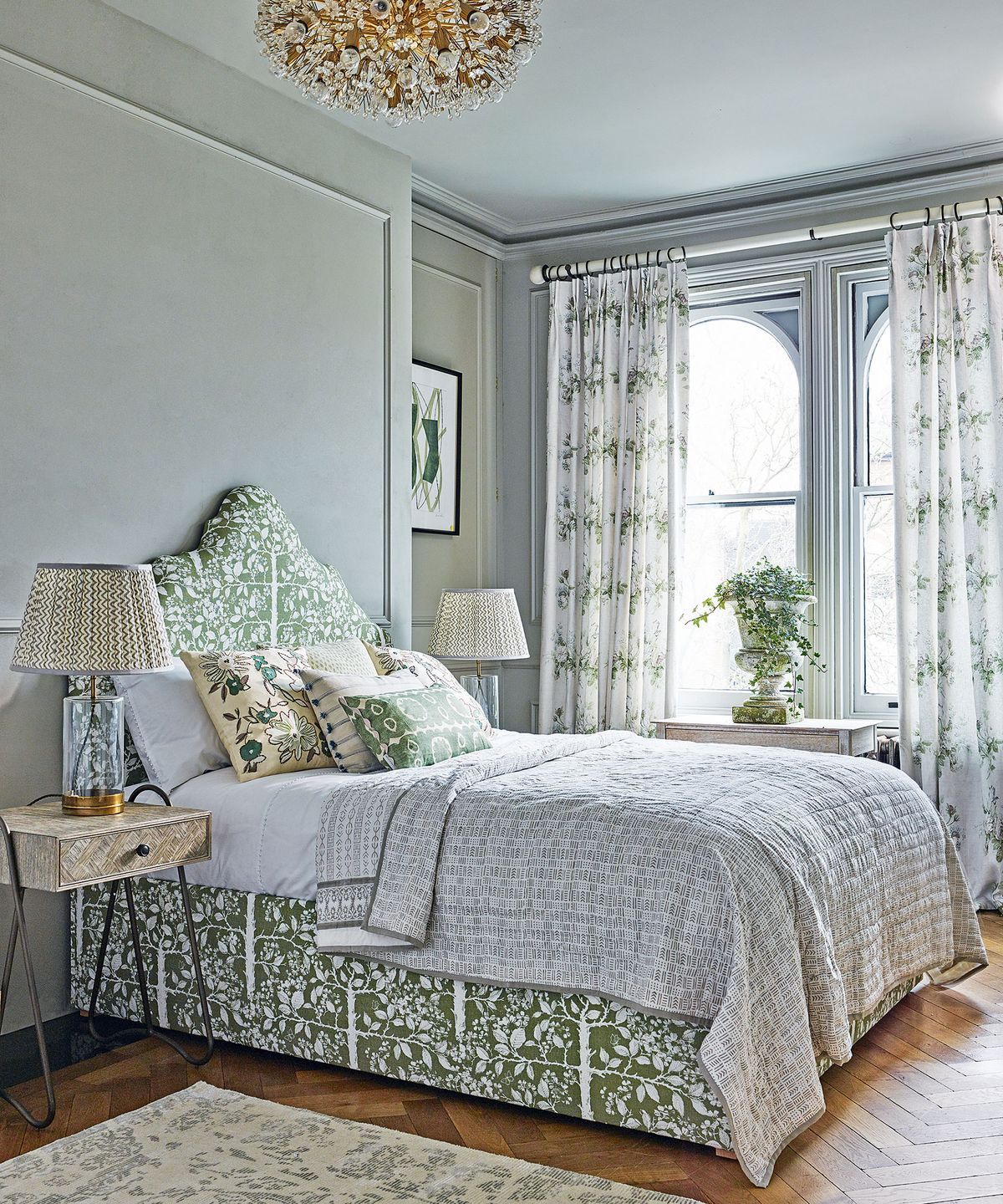
Room type pages must function as booking pages
Every room type on a boutique hotel website deserves its own page. On Booking.com or Expedia, a room is often reduced to two photos and one generic sentence; that is not enough for a guest paying a premium. A dedicated page with a clear title like "Deluxe Sea View – 28 m² – Balcony" shortens decision time and increases direct bookings. Include floor level, bed size, bathroom layout, and seating area details.
Place these pages inside the main navigation, not hidden under a dropdown. Use the same room names and descriptions that your PMS or channel manager already contains. This consistency prevents double work and keeps the booking process straightforward for returning guests.
Real square meters and view labels build trust
Boutique hotel guests care about room size and what they will see from the window. Writing "spacious" is vague; writing "28 m² with full sea view" is concrete. OTA listings often lack this transparency because of character limits and shared templates. Your own site can show exact square meters for each room type and separate views into categories like full sea, side sea, garden, or street.
This honesty pays off in guest reviews. A guest who books a room described as "city view" and gets a wall instead of a street will complain; a guest who knows the trade-off upfront will accept it. Do not hide small room sizes. Present them clearly with photo angles that show the actual space without distortion.
Seasonal pricing needs a transparent calendar
Seasonal rate changes are normal for boutique hotels; the problem is showing them inconsistently on OTA sites. Your own website should display a calendar with the actual nightly rate for each date. Hiding prices behind a "check availability" click lowers conversions. List season start and end dates directly on the room page and in the FAQ.
A calendar synced with your PMS or channel manager prevents double bookings and gives the guest immediate confirmation. You can also state a direct booking benefit: for example, "best available rate on our own site" or "no booking fees." Avoid specific discount percentages; instead show the final price per night. If you offer early booking or long stay benefits, explain the conditions in plain language. Check current regulations with your advisor before promising any price guarantee.
Multilingual structure is not a translation button
An English version of a boutique hotel website is the minimum if you host international guests. Depending on your main markets, add German, French, Russian, or Arabic. Do not rely on a floating Google Translate widget; search engines do not index that output as separate language content, and guests notice machine-translated room descriptions. Translate the entire booking path: room pages, cancellation policy, directions, and FAQ.
Use separate URL paths for each language, such as /en/rooms or /de/zimmer. This helps Google understand the language targeting and improves ranking in local search results. Display prices in the relevant currency when possible – Euro, US Dollar, or Turkish Lira – on the same calendar. Poor translation quality increases bounce rate and pushes guests back to OTA sites.
Visual storytelling outperforms agency listings
On an OTA, your boutique hotel appears next to hundreds of competitors in an identical template. On your own site, you control image size, order, video placement, and description tone. This allows a guest to experience the hotel before arrival. Use wide and tight shots for each room type, and add short captions explaining what the photo shows.
Invest in a 360-degree virtual tour or a concise video walkthrough for high-demand rooms. These assets rarely exist on agency listings and can persuade a guest to book directly. However, be cautious with image manipulation. Showing a room larger than reality will backfire in negative reviews and chargeback disputes. Honest, well-lit photography creates fewer cancellations over time.
This investment is not urgent for every boutique hotel
A boutique hotel with fewer than five rooms, a full phone booking calendar, and no international guests may not need this full set of pages immediately. Basic Google Business Profile optimization and correct contact details can come first. Similarly, a hotel with minimal seasonal price variation and only weekend service may skip the multilingual calendar for now.
Decide based on your direct reservation share. If OTA commissions are not hurting your margins noticeably, you can postpone the website rebuild. But if agency commissions are cutting into profit and guests are searching for your hotel name online, a transparent pricing page and visual room storytelling become necessary. Start with one room type page, monitor direct bookings for a few months, then expand.